
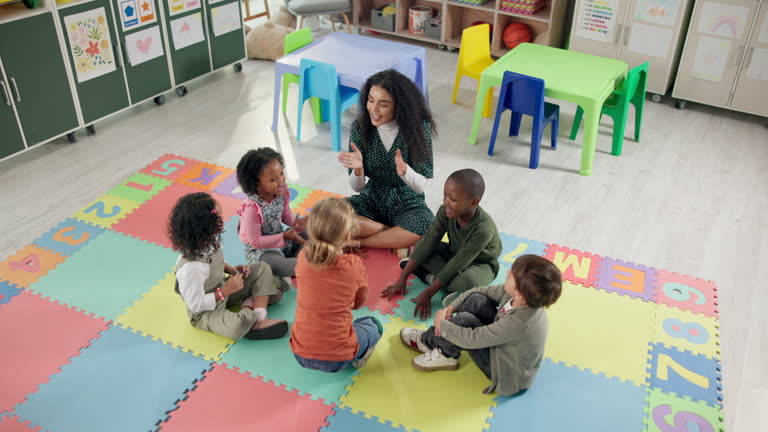
Choosing a primary school for your child is never just a checkbox exercise. It’s a decision that shapes how a child feels about learning, curiosity, and independence for years to come. Bangalore’s Montessori education scene has grown considerably, and with so many schools claiming to follow the “Montessori way,” parents are often left wondering what genuinely sets the good ones apart.
The truth is, not every school labelled “Montessori” delivers on the philosophy’s core promise: nurturing self-motivated, confident learners. So, how do you separate an authentic, well-run Montessori school from one that simply borrows the name? Here are seven traits that consistently show up in the schools that get it right.
1. Genuinely Trained and Certified Montessori Educators
A real Montessori classroom depends entirely on the teacher’s training. The best schools employ facilitators who hold recognised Montessori certifications and understand child observation, not just activity delivery. This training shapes how they guide rather than instruct, allowing children to explore materials independently while staying gently supported.
Untrained staff can turn a Montessori-labelled classroom into a conventional one with fancier furniture. Parents should always ask about teacher qualifications, ongoing training, and staff-to-child ratios before enrolling, since this single factor influences almost every other aspect of a child’s daily experience.
2. A Thoughtfully Prepared Learning Environment
Montessori philosophy places enormous weight on the “prepared environment,” a space designed specifically for a child’s height, pace, and curiosity. Shelves are low, materials are organised by subject, and everything has a defined place, encouraging order and self-reliance from a young age.
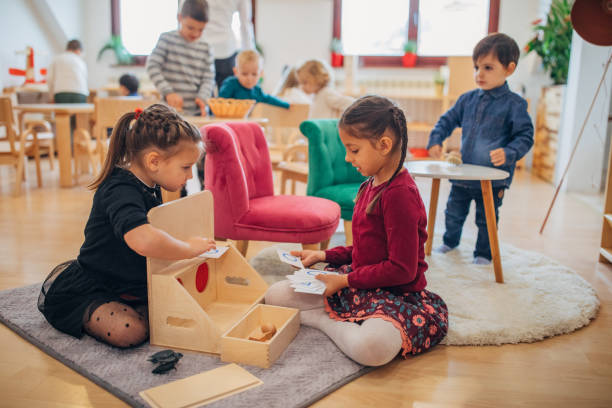
This isn’t about aesthetics alone. Each material serves a developmental purpose, moving from simple to complex, concrete to abstract. Schools that invest in authentic Montessori materials rather than generic toys tend to produce children who engage more deeply and stay occupied purposefully for longer stretches.
3. Mixed-Age Classrooms That Encourage Peer Learning
Instead of separating children strictly by birth year, top Montessori schools group them across a three-year age span. Younger children observe and learn from older peers, while older children reinforce their own understanding by mentoring. This dynamic mirrors real-world social settings far better than single-age classrooms.
The arrangement also reduces competition and comparison. Children progress based on individual readiness rather than a fixed academic calendar, which builds confidence in slower learners and keeps advanced learners engaged without feeling held back by a rigid curriculum pace.
4. Emphasis on Independence and Practical Life Skills
Good Montessori primary schools treat everyday tasks as learning opportunities. Pouring water, buttoning a shirt, tidying a shelf, or setting a table are all deliberate exercises that build fine motor skills, concentration, and a sense of responsibility long before formal academics begin.
Among the well-regarded montessori primary schools in bangalore, this focus on practical life activities is often what distinguishes them from mainstream preschools. Children leave these classrooms not just knowing letters and numbers, but genuinely capable of managing small daily responsibilities on their own.
5. Safe, Clean, and Child-Friendly Infrastructure
Safety is non-negotiable at any reputable school, and Montessori institutions are no exception. Look for campuses with secure entry points, CCTV monitoring, child-proof furniture, hygienic washrooms, and well-ventilated classrooms designed with small children’s proportions in mind.
Beyond physical safety, the best schools also prioritise emotional safety. Calm, unhurried classrooms with predictable routines help children feel secure enough to take risks in their learning, ask questions freely, and explore materials without fear of making mistakes or being judged.
6. Transparent and Consistent Parent Communication
Strong schools treat parents as partners rather than bystanders. Regular updates through apps, newsletters, or scheduled meetings keep families informed about developmental milestones, classroom activities, and any concerns as they arise, rather than only during annual reviews.
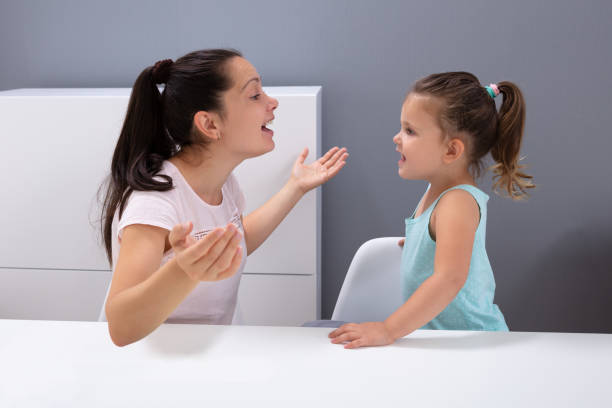
This openness builds trust and allows parents to reinforce Montessori principles at home. Schools that welcome questions, share observation notes, and encourage classroom visits typically demonstrate genuine confidence in their teaching methods and a real commitment to each child’s individual growth.
7. A Curriculum That Balances Freedom With Structure
Montessori education is sometimes misunderstood as unstructured play, but the best schools strike a careful balance. Children choose activities freely within a structured framework of available materials, each designed to build specific skills progressively across cognitive, sensory, and language domains.
This balance ensures children aren’t left to wander aimlessly, nor are they rigidly instructed. Instead, they experience purposeful freedom, developing self-discipline, focus, and a genuine love for learning that often carries forward into their later years of formal schooling.
Choosing the right Montessori school is only one part of a child’s educational journey. Parents who regularly explore trusted learning resources and educational blogs often gain valuable insights into child development, effective parenting approaches, and early learning strategies. Staying informed helps families make thoughtful decisions that support a child’s growth both inside and outside the classroom.
Making the Right Choice for Your Child
Selecting a Montessori school ultimately comes down to observing these traits firsthand. Visit campuses, sit in on a class if possible, and ask direct questions about teacher training, materials, and daily routines. A school that confidently welcomes this scrutiny is usually one worth considering seriously for your child’s earliest, most formative years of learning.

One thought on “7 Traits of the Best Montessori Primary Schools in Bangalore”
Comments are closed.